Strengthening family relationships with CONNETIX
Tags
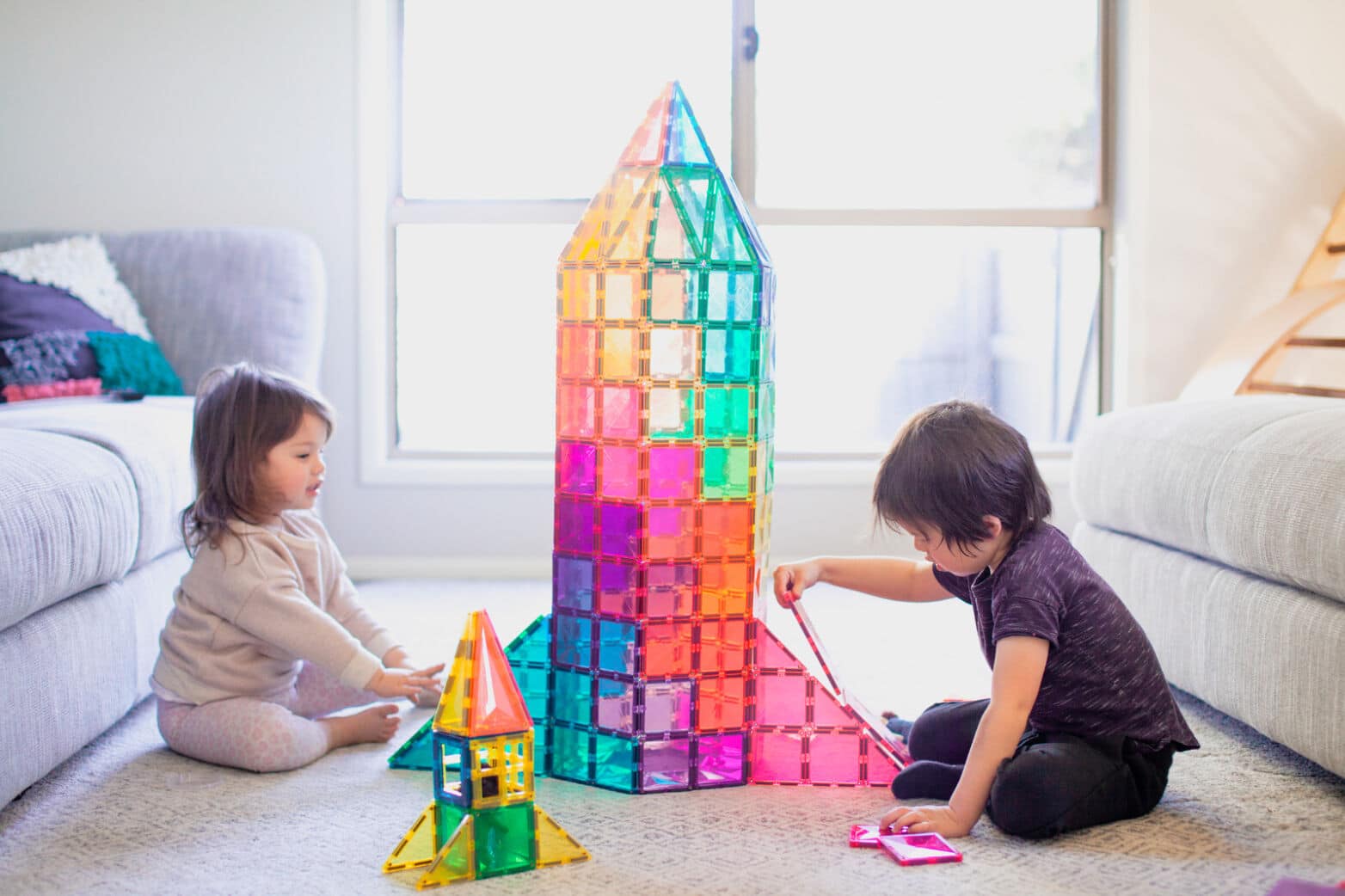
Research indicates that strong family relationships are vital to child development and wellbeing. In fact, these formative relationships are the building blocks for all future social relationships and so much more!
Before we dive into the importance of family relationships, let’s take a moment to celebrate families and recognise the sometimes-paradoxical role carers play. I strongly believe carers know their children best and are doing an incredible job raising their families. So kudos to you all!
Strong family relationships, why they matter!
Every family is unique and they come in all shapes and sizes. Family relationships are often the first experiences of social interaction for children. These experiences establish “templates” for children to learn and develop. Templates store the information children gather about the world, themselves and the relationships around them. This information helps children develop their own perspective, informs their beliefs and ultimately their identity – “Who am I”? A child who receives a message that they belong, they are heard, valued and respected in a family unit, will then see themselves in that way also. Having a developed sense of self has significant benefits on all social relationships and can create a “domino effect” on so many areas in life.
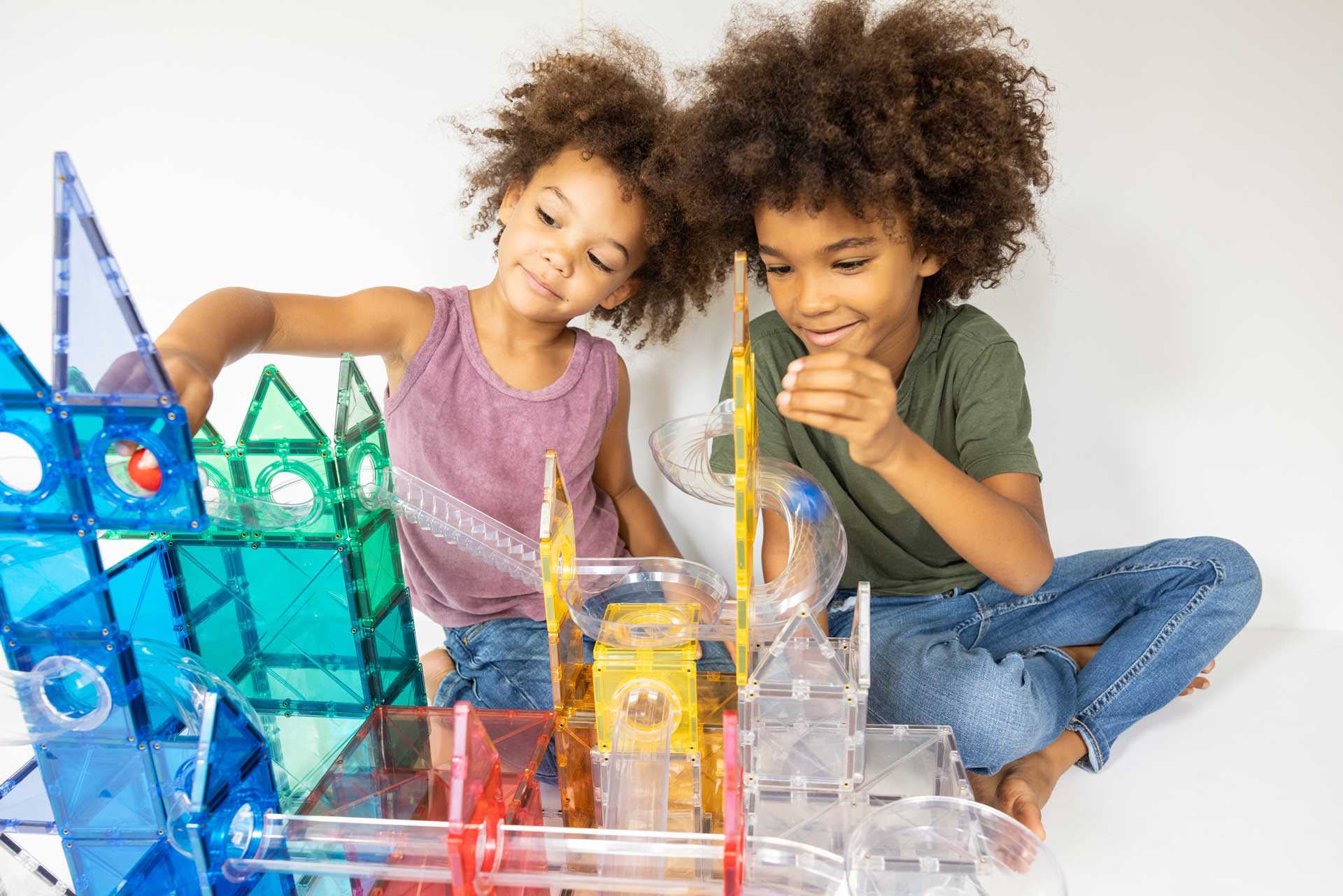
Children and young people who have meaningful relationships with their family and peers demonstrate a greater level of resilience and emotional intelligence. In terms of resilience, this means the ability to overcome challenging situations. Emotional intelligence on the other hand, is the ability to be aware of your own and others’ emotions. If we think about the “domino” analogy again, this further leads to improved friendships and experiencing more positive emotion and wellbeing overall!
Let’s apply these social relationship factors within the education setting. Students who display resilience, emotional literacy and have healthy social relationships, are less likely to experience behavioural issues in the classroom, are more likely to persevere with their learning and have improved learning outcomes.
When a child experiences supportive family relationships in early life, they learn how to communicate in a helpful way to have their needs met and also understand how to empathise with others. Everyday family life involves unavoidable and sometimes unsolvable conflict. This can be trivial issues like what to have for breakfast and at other times more complex problems, like making important decisions about education. It is through role modelling by family members that children learn how to listen to others, to empathise, to problem solve, use teamwork and compromise when needed. Although all family and sibling conflict might not be as seamless, these skills are fundamental in all social settings and set children up for success in all areas of life.
It’s certainly true, a parent’s role in a child’s life is immeasurable! What can be said equally though, is that parents benefit too from having positive relationships with their children. When parents feel connected and close to their children, the feel-good emotions are reciprocated, they feel rewarded in their role and they are more able to be present and less reactive with their children, which helps to navigate testing moments along the journey.
As the saying suggests, “It takes a village to raise a child”, this couldn’t be more accurate! Extended family members are also an important piece in establishing healthy family dynamics and supporting children’s development. Having lots of meaningful relationships whether it be with grandparents, siblings, cousins or even close friends, all contribute to the “positive domino effect” and successful outcomes for children.
The time you spend with your children is having a POWERFUL impact! We would love to hear how you use #connetixtiles to spend quality family time together.

Louise has had over ten years’ experience and a rewarding career working with families in the community services and education sector. Louise authentically draws on the importance of PLAY in nurturing attachment and childhood development.
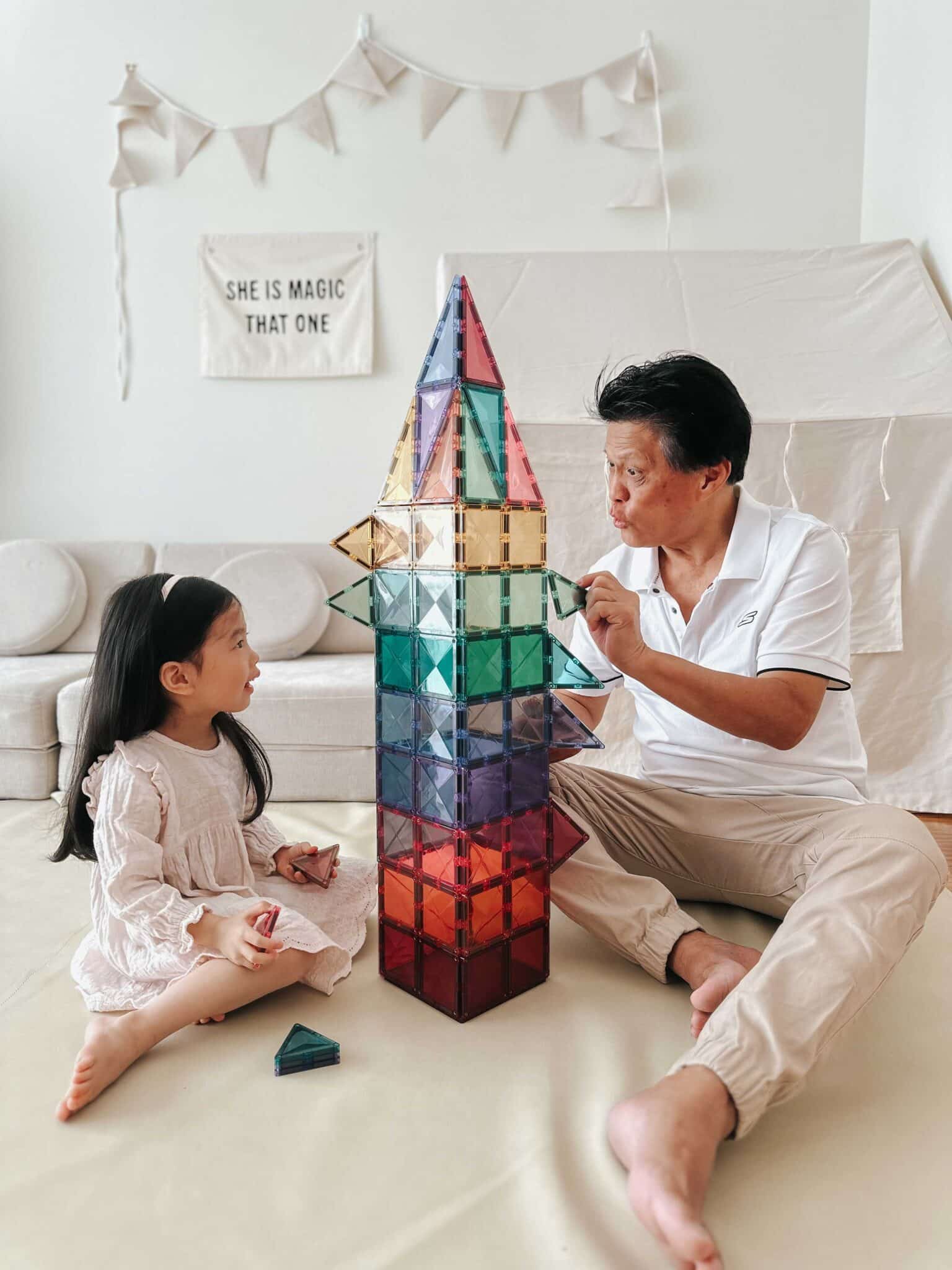
There’s no denying PLAY is a child’s language; it helps us to meet children at their level, it boosts their self-esteem and is one of the best ways to connect. When engaging in play; a child feels valued, they receive a message that they are important and loved! It’s hard not to smile and feel-good when delighting in child’s play. Often play is related to younger children although what’s important to mention is that big kids benefit from playfulness and connection too! Playing with older children and teenagers helps them to still feel a part of the family. Older children are extremely creative and imaginative, let them take charge and ownership in constructing a game. You will be amazed at what they create! It’s helpful to keep in mind, play works best when it is FUN, CHILD-LED, SPONTANEOUS AND FULFILLING for everyone.
The play possibilities for the whole family are almost endless with CONNETIX, here’s a few favourite ideas:
.jpg&w=3840&q=75)

Menu
 Australia