Simplifying Sensory Play with CONNETIX
Tags
Recently, sensory play has become a hot topic among parents. Online, many parents are feeling pressured to ensure their children engage in daily ‘sensory experiences’. This often leads to over-complicating play without a clear objective.
Sensory play involves activities that stimulate a child’s senses, including touch, sight, sound, taste and smell. These activities help children explore and naturally encourage their curiosity, leading to learning and development through hands-on experiences. Each child is unique, and their sensory requirements may evolve over time. Some children have specific sensory sensitivities, preferences or needs. By engaging in sensory play, children can explore and have control of their sensory input, in a safe and child-led way. This supports children’s sensory regulation, to be better able to receive, process and respond to sensory input that is a part of everyday life.
The good news is sensory play doesn’t need to be overly complicated to reap the benefits!
Let’s explore each of the sensory systems and simple activities you can implement at home to support your child’s sensory regulation:
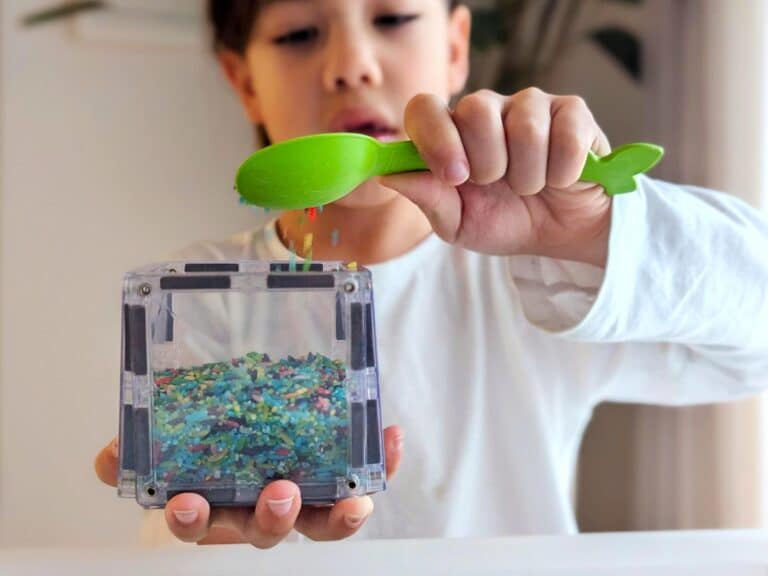
The Visual System is the part of the nervous system which allows us to see. It interprets information from visible light to build a representation of our surrounding environment. Understandably, the visual system is integral to children understanding their world and completing everyday tasks from reading, to writing, manipulating puzzles, getting dressed and finding items around the house.
What You Need:


Emily Hanlon, otherwise known as The Playful Psychologist, is a Clinical Psychologist from Sydney. She is also the proud mum of 4- and 1-year old boys, and is expecting her third baby this year. Emily has a specific interest in autism spectrum disorder and developmental delay. She has experience providing individual and group therapy for children, adolescents, and adults with a variety of presentations including ASD, Attention Deficit Hyperactivity Disorder (ADHD), mood-related disorders, anxiety, poor social skills, and other behavioural concerns. Emily draws on her own personal experiences of having a brother on the Autism Spectrum, and uses her unique first-hand experience, to facilitate her own therapeutic practice. Emily started The Playful Psychologist to share her love of creativity within her work. She enjoys sharing her ideas, and also loves learning from others! As a psychology student, and a young psychologist, she always wished she had somewhere to turn for inspiration - and that is what she hopes to do for educators, parents, and psychologists alike! Emily is extremely proud of the online community she has created to support the social and emotional development of children by upskilling the adults who support them.



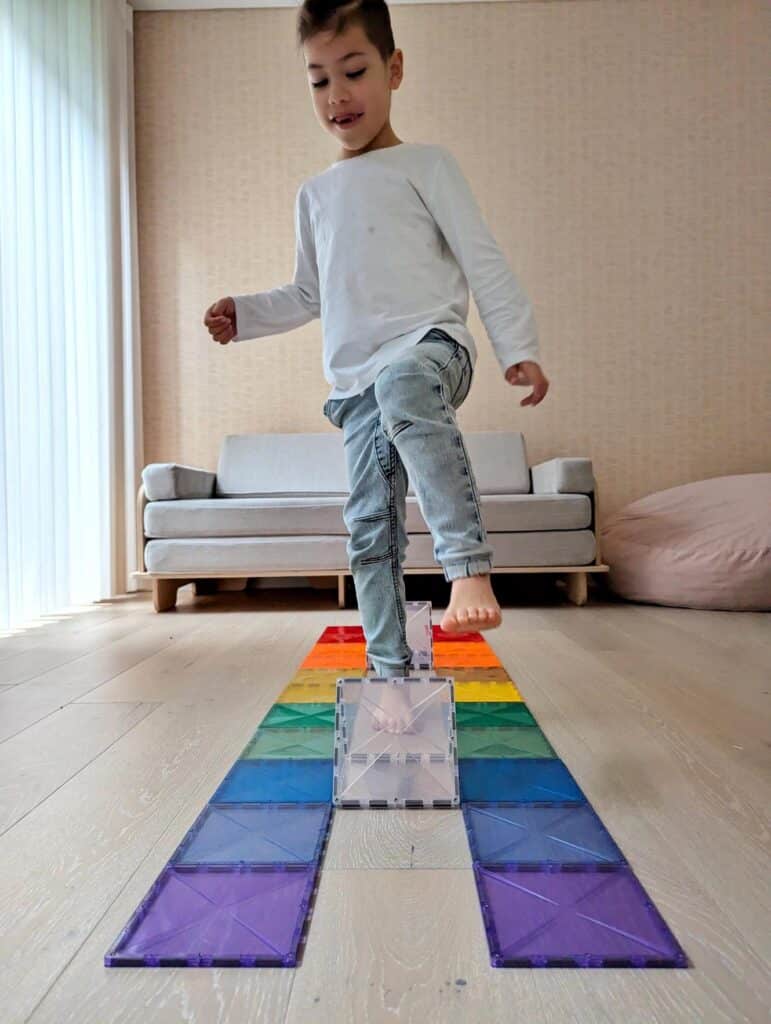
This activity combines the construction fun of using CONNETIX with the physical challenge of balance and movement, providing a comprehensive sensory experience that supports the vestibular system.

This activity not only provides a fun and interactive way for children to use CONNETIX but also supports their proprioceptive system by involving muscle engagement and resistance challenges.
Sensory play doesn’t have to be complicated to be effective. Simple activities using everyday items, like CONNETIX, can provide meaningful sensory experiences that support a child’s development
Menu
 Australia